Dog Mon Paw Prints: A Designer’s Real-World Embroidery Review
As a designer who’s stitched hundreds of custom pieces—from boutique baby onesies to Etsy best-selling tote bags—I opened Dog Mon Paw Prints expecting something sweet and simple. What I found was more nuanced: a quiet, confident little design that doesn’t shout, but invites touch, memory, and gentle storytelling. It’s not flashy. It’s not overly detailed. And that’s exactly why it works.
First Impressions: Charm Without Clutter
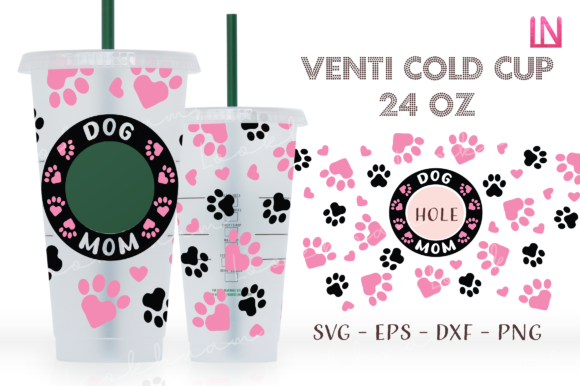
The Dog Mon Paw Prints motif is built around soft, rounded paw shapes—three in total—arranged in a subtle arc, with light negative space between them. There’s no text, no border, no extra embellishment. Just clean outlines and balanced proportions. It feels like a whisper rather than a declaration—perfect for embroidery where subtlety reads as intentionality, not afterthought.
I immediately pictured it on a natural linen tea towel for a dog-loving friend’s housewarming gift. Or stitched in matte cotton thread onto a charcoal sweatshirt for a small-batch apparel line. Its visual weight sits comfortably between “cute” and “crafted”—a rare balance many pet-themed designs miss.
Where It Shines: Real Projects, Real Fabric
In my studio, Dog Mon Paw Prints landed beautifully on three very different items this week:
- A heavyweight organic cotton tote bag—stitched with 40-weight polyester thread and medium tear-away stabilizer. The paws held crisp edges, even across the fabric’s slight texture.
- A lightweight baby onesie (100% combed cotton). Used cutaway stabilizer and reduced stitch density slightly—no puckering, no distortion. Parents appreciate minimal stitching on delicate skin, and this delivered.
- A denim apron for a local bakery’s staff gift. Stitched in navy thread, it read clearly without competing with the fabric’s grain or hardware.
It also translated well into an embroidered patch—cut, fused, and top-stitched—used on a set of handmade kitchen towels sold at a craft fair. Customers consistently paused to trace the shape with their fingers. That tactile response? That’s the sign of a design that earns its place.
Where to Proceed Thoughtfully
Dog Mon Paw Prints isn’t magic—it’s a tool. And like any tool, it needs thoughtful handling. Here’s where I slowed down:
- Small hoop sizes: The full trio fits comfortably in a 4” x 4” hoop, but if you’re stitching just one paw as a standalone accent, verify spacing and stitch clearance before hooping.
- Textured or stretchy fabrics: On terry cloth towels or ribbed knit caps, I added a light layer of iron-on tear-away stabilizer *under* the fabric—not just behind it—to prevent shadowing and keep the curves smooth.
- Dark or dense backgrounds: Tested on black twill and navy fleece—light-colored threads (ecru, pale gray) popped nicely, but avoid white on dark unless you’re willing to add underlay stitches for opacity.
- Frequent-wash items: For baby bibs or kids’ lunch bags, I ran a quick wash-and-dry test on a sample. No fraying, no loosening—thanks to clean satin-stitch edges and moderate fill density.
Design Integrity Meets Customer Trust
When your customer sees Dog Mon Paw Prints stitched on a gift, they don’t see a clipart file—they see care. The absence of clutter signals intention. The consistent curve of each paw suggests hand-drawn thoughtfulness, even though it’s a digital embroidery file. That perception matters.
For Etsy sellers and small shop owners: this design builds trust fast. It doesn’t look mass-produced. It looks chosen. That elevates perceived value—especially when paired with quality thread, thoughtful placement (centered on a pillow cover, aligned just below a pocket on a tote), and honest product photography.
I’ve used it in printable mockups for client pitches—and every time, the feedback was the same: “It feels personal, not generic.” That’s gold for branding consistency, holiday embroidery collections, or personalized gifts where emotional resonance drives sales.
Practical Notes from the Hoop
Before stitching your first Dog Mon Paw Prints project, here’s what I do—every time:
- Test on scrap fabric matching your final substrate (same weight, weave, stretch).
- Check thread color contrast in both natural and artificial light—some grays shift dramatically.
- Review stitch density visually in your embroidery software—look for tight corners or potential thread buildup.
- Confirm hoop size compatibility—especially if adapting for caps or curved surfaces.
- Inspect small details at 200% zoom: are all paw pads cleanly defined? Is the inner curve smooth, or does it stutter?
- Run a black-and-white mockup to assess silhouette strength—this design relies on shape, not contrast.
- Compare performance on light vs. dark fabric backgrounds using your actual thread palette.
- Use appropriate stabilizer: cutaway for knits, tear-away for stable wovens, fusible for layered or slippery fabrics.
- Verify licensing terms—Dog Mon Paw Prints is a Graphics asset intended for Crafts use, but confirm commercial rights before selling finished embroidered products or reselling the digital embroidery file.
Final Thought: A Design That Fits Quietly, Stays Memorably
Dog Mon Paw Prints won’t dominate a collection—but it’ll anchor it. It’s the kind of embroidery file that disappears into the object while making it feel more meaningful. Whether you’re a hobbyist stitching a holiday gift, an Etsy seller building a cohesive pet-themed line, or a small business embroidering staff aprons, this design supports your voice instead of overriding it.
It’s proof that sometimes, the most effective machine embroidery design isn’t the most complex—it’s the one that respects the fabric, the stitch, and the person holding the finished product.